

Pricing can be confusing, and we frequently get asked by those new to investing in physical precious metals why the price of a bar or coin is more than the market spot price.
This article will help you understand spot pricing and how it relates to the cost of physical gold, silver, and other precious metals bought in a variety of formats.
What Is The Spot Price?
Now that we have access to real-time information all around the world, traders now rely on what’s known as spot pricing. The ‘spot price’ is the real-time value of one ounce of pure precious metals as given by an exchange. This does vary slightly between exchanges, so if you see slight differences, this is normal as they constantly update.
You can now track spot prices, view charts and trading volume data for gold, silver, platinum and palladium, live on Bleyer’s site by clicking on the symbols displayed at the bottom of each page.
You need to understand that there are usually two prices being shown when you look at the spot price. One is the spot Bid price which represents what buyers are willing to pay for the gold. The other is the spot Ask price, which is what I am asking from you when I am selling you gold, the same applies to other precious metals. So it’s usually an average of those two prices that you would see move and change in real-time, representing that ounce of pure gold.
The term used to describe the difference between the bid and ask price is known as ‘The Spread’. The Spread will vary from market (metal) to market depending on volume of trades, largely determined by the numbers of buyers and sellers at any given time. At the time of writing the spread for gold is around 0.3%, whereas rhodium is around 40% and silver is 3.4%. To the latter two, VAT needs to be accounted for as well, unless you store in a customs warehouse or off-shore.
Do other metals work on spot prices?
Charts can be found for most commodities somewhere displaying applicable live spot prices. These can be easily found through a variety of devices, television, computers, smartphones, online and finance sections of news outlets. Likewise foreign currencies are expressed in relation to our own with buy (ask) and sell (bid) rates.
I hope this explanation of the relationship between spot and cost price will make things a little clearer for any new investors wishing to expand their portfolios.
What’s the spot’s relationship to The London Fix?
Before the advent of live trading for precious metals, people relied on what was known as the London fixed price, in the case of gold, this was posted twice a day, once in the morning and once in the afternoon.
For silver this was posted once a day at around noon. Some dealers still sell based on the next Fix price, which tends to correlate to the trending spot at the time that prices are fixed.
This used to be set by conference calls between representatives from five or six major financial institutions. The Fix is now conducted via an electronic platform managed by the ICE Benchmark Administration to provide a greater degree of transparency.

How Does the Spot Price Relate to the Price of Bars and Coins When You Buy?
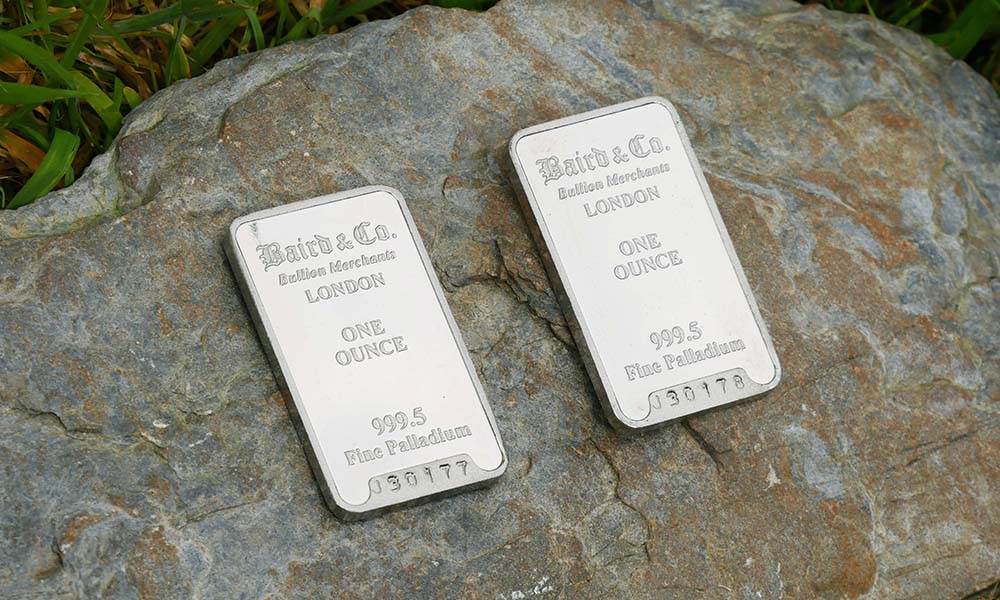
The reason a pure ounce of gold costs you more than the spot price is because of the premium. The premium is the difference between the spot price (market benchmark) and the total price the retail investor is going to have to pay for their product. The cost of every stage has to be covered: raw materials; minting production costs; shipping; handling; packing; postage and insurance at each stage of the process until it reaches you.
Premiums, when considered as percentages of overall value, are also influenced by production costs. When an ounce of silver costs the same to process as a far more valuable VAT free, ounce of gold, you can easily understand how premiums can vastly differ. Likewise, when something has to be transported from another country or bought from a pricier mint, this also affects the cost passed to the end customer.
An entire supply chain covers its costs and makes their living on this, ‘the premium’. This is explained further in our Glossary article “What do we mean by Spot Price, September 2018.”

How Do Spot Prices Relate to the Price of Bars and Coins When You Sell?
When you sell your gold and silver coins or bars back to a dealer, you will be selling at a discount price. This will typically be just below the spot price and will vary slightly according to demand at the time. Understanding margins and how they work can be rewarding and valuable when planning your general investment strategy.
Buy and Sell with Bleyer
If you have something to sell or want general advice before you buy, the team at Bleyer can explain how certain products are priced for buying and selling.