

When it comes to wealth preservation, one of the most important considerations is how to protect and diversify what you’ve built over time.
Many investors hold their wealth across traditional assets such as cash, shares, bonds, property and pensions. While each can play an important role, they also come with different risks and can respond differently to changing economic conditions.
This is where physical gold and silver can play a role within a wider wealth-preservation strategy.
For generations, gold has been recognised as a store of value, while physical precious metals continue to appeal to investors looking for tangible assets alongside their existing investments.
But is physical gold a good way to preserve wealth, and how can precious metals help diversify an investment portfolio?
In this article, we’ll explore the role of physical gold and silver in wealth preservation, their potential benefits and risks, and the practical considerations for investors looking to build a more balanced, long-term approach to protecting their wealth.

What Is Wealth Preservation and Why Does Diversification Matter?
Wealth preservation is about maintaining the value of what you’ve built over time.
Rather than focusing solely on generating the highest possible returns, a wealth-preservation strategy considers how to protect purchasing power, manage risk and maintain financial security over the longer term.
Different assets can play different roles within that strategy. Cash provides accessibility, but inflation can gradually reduce its purchasing power. Shares offer opportunities for long-term growth, although their value can fluctuate with market conditions. Bonds can provide income, but are also affected by interest rates and credit risk.
Property and pensions may also form important parts of an individual’s wider financial position.
However, no single asset is immune to changing economic conditions. This is why diversification matters. By spreading wealth across different types of assets, investors can reduce their dependence on the performance of any one investment or market.
Diversification doesn’t eliminate risk or guarantee returns, but it can help create a more balanced approach to managing wealth. For some investors, physical precious metals offer another way to achieve that balance.
Read 'Diversifying Your Investment Portfolio with Precious Metals'
Why Invest in Physical Gold for Wealth Preservation?
Gold has been recognised and valued for thousands of years, establishing a long history as a store of wealth.
Today, physical gold remains an option for investors looking to diversify their holdings and own an asset outside traditional financial securities. Unlike shares, gold doesn’t represent ownership in a company. It doesn’t depend on a business generating profits or paying dividends. Instead, physical gold has a recognised metal value influenced by global supply, demand and wider economic conditions.
There are several reasons why investors may consider physical gold as part of a long-term wealth-preservation strategy.
1. A Tangible Asset You Can Physically Own
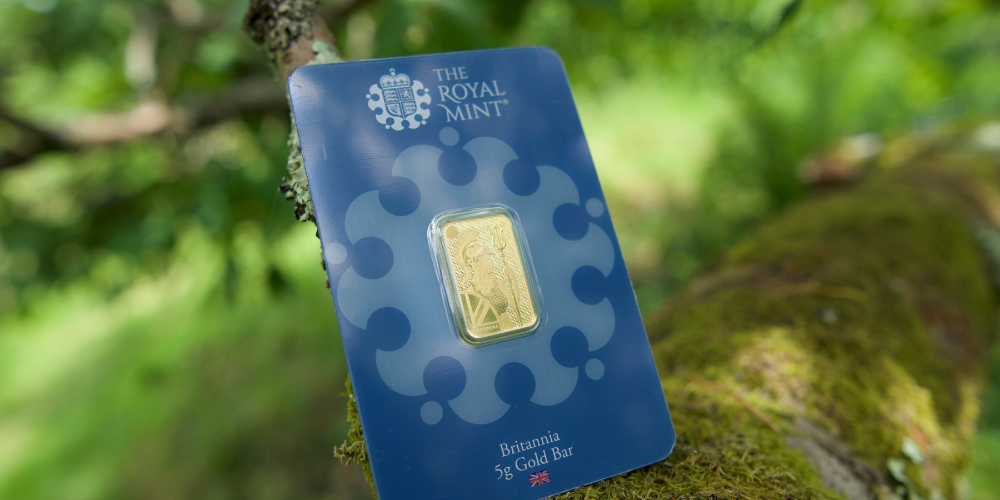
One of the main differences between physical gold and many traditional investments is that gold bullion is a tangible asset.
When you purchase a physical gold bar or bullion coin, you’re buying the precious metal itself rather than a financial product designed to track its price.
For investors who value direct ownership, this distinction can be important. Physical gold can be held personally or through professional storage arrangements, depending on your preferences and circumstances.
Of course, physical ownership also brings practical responsibilities, including secure storage, insurance and understanding how you may eventually sell your holdings.
2. Diversification Beyond Shares and Bonds
Gold has different characteristics from traditional assets such as shares and bonds.
Its price is influenced by factors including interest rates, inflation expectations, currency movements, geopolitical uncertainty and global investment demand. Because these influences differ from those affecting other investments, gold may behave differently during certain market conditions.
This is one reason investors sometimes choose to include physical gold within a diversified investment portfolio. However, gold can still experience significant price movements and may fall in value alongside other investments.
It should therefore be considered as one potential part of a wider diversification strategy, rather than a guaranteed safeguard against financial losses.
3. Gold as a Long-Term Store of Value
Gold’s long history as a recognised store of value is another reason investors consider it for wealth preservation.
Over generations, gold has continued to be owned, traded and valued across different countries and financial systems. This has contributed to its reputation as an asset that may help preserve purchasing power over longer periods.
However, gold isn’t a guaranteed hedge against inflation. Its price can rise or fall independently of inflation, particularly over shorter timeframes.
For investors considering physical gold for wealth preservation, it’s important to understand both its historical role and the possibility of future price fluctuations.
Read 'Is Gold the Ultimate Store of Wealth? Benefits, Risks, and Long-Term Value Explained'
4. Global Recognition and an Established Resale Market
Gold is bought and sold internationally, with established markets for recognised bullion bars and coins.
Products such as Gold Britannias, Gold Sovereigns and investment-grade gold bars are familiar within the precious metals market.
This global recognition can be an important consideration for investors who want to understand how their physical gold could eventually be sold.
The amount received when selling will depend on the gold price, the product, its condition and the dealer’s buying price.

Can Physical Silver Help Diversify Your Wealth?
Although gold is often the first precious metal associated with wealth preservation, silver can also form part of a diversified precious metals holding.
Like gold, silver is a physical asset with an established global market. However, silver has some different characteristics. Alongside investment and jewellery demand, silver is widely used in industrial applications, including electronics, solar technology and manufacturing. This means its price can be influenced by both investment demand and changes in industrial activity. Silver can also experience greater price volatility than gold, making it important to understand the differences between the two metals.
For investors interested in physical silver, bullion coins and bars provide different ways to own the metal. Products such as Silver Britannias offer an established British bullion option, while silver bars may appeal to those looking to purchase larger quantities.
It’s also worth considering that physical silver bullion purchases in the UK are generally subject to VAT, although certain pre-owned products may be sold under different VAT arrangements.
Ultimately, gold and silver don’t necessarily serve identical purposes. Some investors choose to hold both metals, recognising their different characteristics within a wider precious metals diversification strategy.
Physical Gold vs Traditional Investments
Physical gold and silver aren’t necessarily alternatives to every other form of investment.
Instead, they can be considered alongside more traditional assets as part of a broader approach to managing wealth. Each asset class has its own characteristics.
| Asset | Potential Role | Important Considerations |
|---|---|---|
| Cash | Accessibility and short-term financial needs | Inflation can reduce purchasing power |
| Shares | Long-term growth and potential dividend income | Market volatility and company risk |
| Bonds | Potential income and diversification | Interest rate and credit risk |
| Property | Physical asset ownership and potential rental income | Maintenance, costs and limited liquidity |
| Physical Gold | Tangible ownership and potential diversification | Price volatility, no income and storage costs |
| Physical Silver | Tangible ownership with investment and industrial demand | Price volatility, storage and potential VAT costs |
The important point is that different assets can serve different purposes.
Physical gold doesn’t generate interest or dividends simply from being held. Equally, shares and bonds don’t offer the same type of direct physical ownership as bullion.
Understanding these differences can help investors consider how precious metals might complement, rather than replace, their existing investments.

How Much Gold Should You Hold in a Diversified Portfolio?
There isn’t one percentage that is right for everyone. The appropriate amount of physical gold or silver will depend on your financial circumstances, existing investments, objectives and tolerance for risk.
Someone considering precious metals for the first time may have different priorities from an experienced investor who already holds a substantial portfolio.
It’s worth considering questions such as:
- What are you hoping to achieve by owning physical precious metals?
- How do gold and silver fit alongside your existing savings and investments?
- Are you comfortable with fluctuations in precious metal prices?
- How long do you intend to hold your bullion?
- Have you considered storage, insurance and potential selling costs?
Rather than choosing an allocation simply because another investor follows it, it’s important to understand what makes sense for your own circumstances.
A regulated financial adviser can help assess how different assets fit within your overall investment strategy.
Gold Bars vs Gold Coins for Wealth Preservation
For investors considering physical gold, another practical question is whether to purchase bullion bars or coins.
Both offer direct ownership of physical gold, but there are some differences worth understanding.
Gold Bars
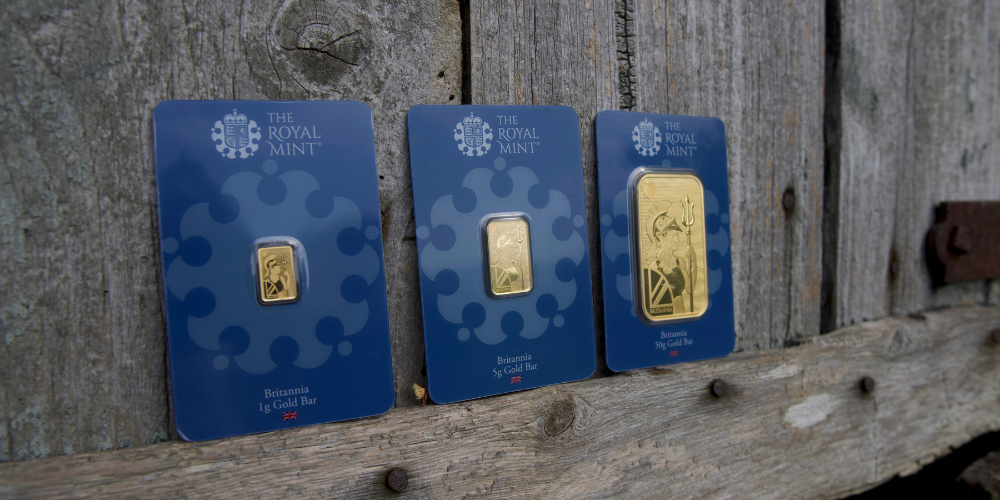
Gold bars are available in a range of weights and are often chosen by investors looking to purchase physical gold in larger quantities. Investment-grade gold bars are commonly produced to a purity of 999.9 fine gold and are available from established refiners.
They may appeal to investors focused primarily on the precious metal content of their holdings.

Gold Bullion Coins
Gold bullion coins offer another recognised way to own physical gold.
British coins such as the Gold Britannia and Gold Sovereign are particularly popular among UK investors. One important consideration is their tax treatment. As UK legal tender, these coins are exempt from UK Capital Gains Tax, which can be relevant when considering the eventual sale of your holdings.
Gold coins are also available in different sizes, allowing investors to purchase and potentially sell individual pieces rather than one larger bar. However, coins and smaller bullion products may carry different premiums compared with larger gold bars.
The right choice depends on what you’re looking for, how much you intend to purchase and how you might eventually manage or sell your physical gold.
How Should You Store Physical Gold and Silver?
Secure storage is an important practical consideration when owning physical precious metals.
Some investors prefer to keep their bullion personally, while others choose professional vaulting facilities. The right arrangement will depend on the quantity and value of precious metals you own, your security preferences and the level of access you require.
Professional allocated storage can provide a way to hold physical bullion in secure facilities, with specific metal allocated to the owner. However, storage arrangements can involve ongoing fees, so it’s important to understand the costs and terms before deciding.
At Bleyer, we can explain the physical bullion storage options available and help you understand how they work.
Learn More About Precious Metal Storage
Can Physical Gold Be Held in a Pension?
For those considering long-term wealth preservation and retirement planning, physical gold may also be held within certain Self-Invested Personal Pensions, known as SIPPs.
A Gold SIPP allows qualifying investment-grade physical gold to be held within a pension arrangement.
This typically involves eligible gold bars rather than ordinary bullion coins, with the gold professionally stored through the pension arrangement.
Depending on the SIPP provider and investments permitted, physical gold can form one part of a wider pension portfolio.
There are important considerations, including provider fees, storage costs, pension transfer rules and the fact that physical gold doesn’t generate an income.
At Bleyer, we work with specialist pension providers to help clients understand the process of purchasing and storing qualifying physical gold within a SIPP.
Read 'How Do Gold SIPP Accounts Work and How to Decide If It Works for You'
What Are the Risks of Investing in Physical Precious Metals?
While gold and silver can offer diversification benefits, it’s important to understand the practical considerations before making a purchase.
- Price Fluctuations: Precious metal prices can rise and fall, and there is no guarantee that gold or silver will retain or increase its value over a particular period.
- No Regular Income: Physical bullion doesn’t pay interest or dividends simply from being held.
- Buying and Selling Costs: The price you pay for bullion may include a premium above the underlying metal value, while the price you receive when selling may be lower than the quoted market price.
- Storage and Insurance: Physical precious metals need to be stored securely, whether personally or through professional vaulting.
- Tax Considerations: Different precious metal products can have different VAT and Capital Gains Tax treatment.
- Investment Timeframe: Physical precious metals are often considered as part of a longer-term strategy, rather than for short-term price speculation.
Understanding these considerations helps ensure your decision is based on the role precious metals could play within your wider finances.
Is Physical Gold a Good Way to Preserve Wealth?
Physical gold has a long history as a recognised store of value. Its tangible nature, global recognition and different characteristics from traditional financial assets are among the reasons investors continue to consider it for diversification.
However, wealth preservation isn’t about finding one asset that will always perform well. It’s about understanding how different investments work together, recognising the risks involved and making informed decisions that reflect your long-term objectives.
For some investors, physical gold and silver may provide another way to diversify their wealth. For others, different investments or approaches may be more suitable.
The important thing is to understand your options and consider how precious metals fit within your wider financial position.
Read 'Gold, Silver, or Cash? How Each Performs in Prolonged Inflation'
Here To Help
At Bleyer, we believe that understanding your options is an important part of making confident decisions about physical precious metals.
Whether you’re considering your first gold coin, exploring physical silver, looking into secure storage or wanting to understand how gold could form part of your pension, our experienced team is here to help.
We offer a wide range of physical gold, silver and other precious metals, alongside straightforward guidance to help you understand the products and services available.
If you’d like to speak to a member of our award-winning customer service team, we’d be delighted to hear from you.
Call us on 01769 618618 or email [email protected], and we’ll get back to you as soon as possible.