
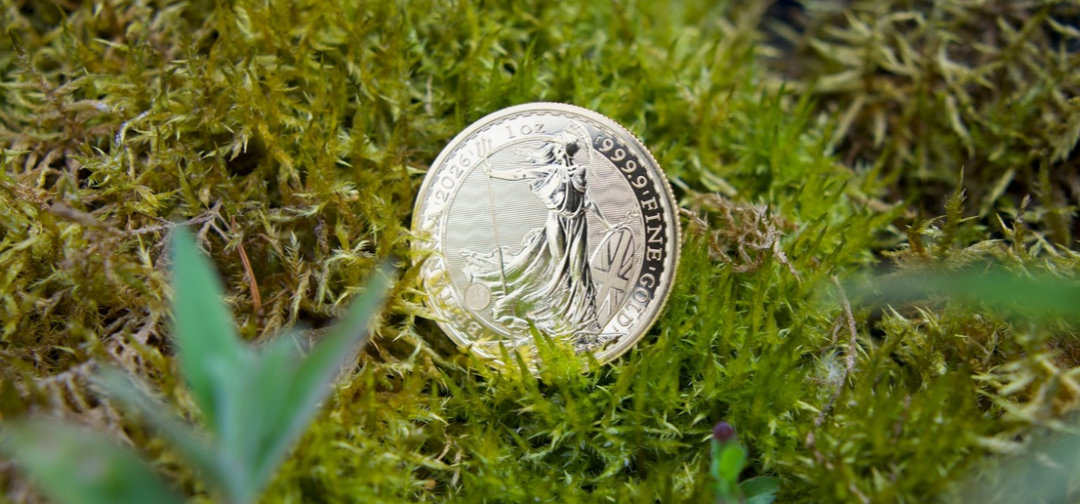
One of the most common questions people have when considering physical gold is what happens when they eventually want to sell it?
Buying gold is often approached as a long-term decision, with many investors choosing precious metals as a way to diversify their wealth and hold a tangible asset.
But understanding how to sell physical gold is just as important as knowing how to buy it.
Whether you own gold bars, bullion coins, inherited jewellery or other precious metals, it’s useful to understand how the selling process works, how your gold is valued and what happens before you receive payment.
At Bleyer, we aim to make selling precious metals as straightforward as possible, with clear information and guidance throughout the process.
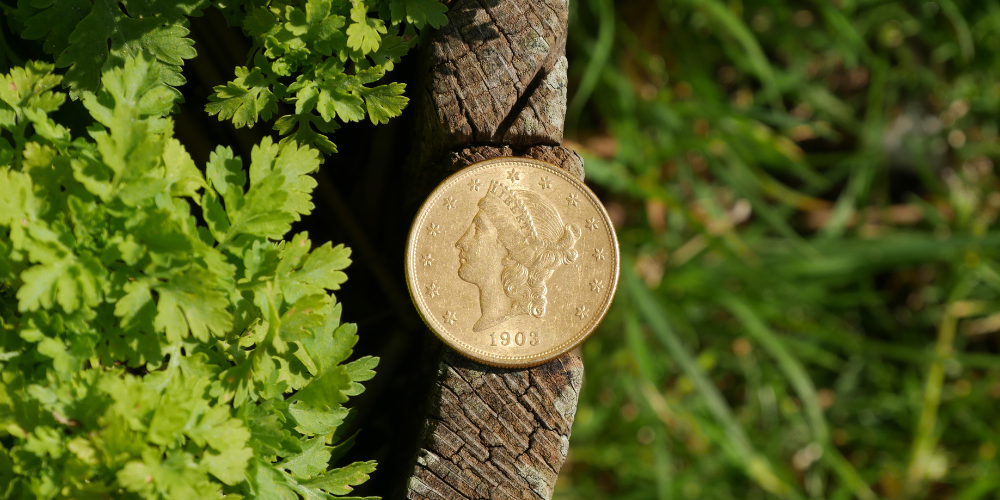
Can You Sell Physical Gold?
Yes. Physical gold can be sold when you decide you no longer want to hold it. Gold is an internationally recognised precious metal, traded in markets around the world. This is one of the reasons many investors choose to hold physical gold as part of their wider wealth. Investment-grade gold bars and widely recognised bullion coins have an established resale market, but they aren’t the only precious metal items that can be sold.
At Bleyer, we buy a wide range of gold, silver, platinum and palladium, including bullion bars, coins, rounds, jewellery, silverware and scrap precious metals. Whether you have a single gold coin, an inherited collection or unwanted jewellery, our team can assess your items and explain your options.
The price you receive will depend on factors including the type of metal, its weight, purity, condition and current market value.
How Does Selling Physical Gold to Bleyer Work?
Selling gold doesn’t need to be complicated. At Bleyer, we’ve put together a straightforward process to help you understand what happens at each stage, from your initial enquiry through to receiving payment.
1. Contact Our Team
The first step is to get in touch and tell us a little about the precious metals you’re looking to sell.
We’ll ask for information about your items, including their quantity and condition. Depending on what you’re selling, we may also request photographs to help us understand what you have. Proof of purchase may also be required.
Don’t worry if you’re unsure exactly what your items are worth. Our experienced team can help assess the precious metal content and explain your options.
2. Receive an Indicative Price
Once we’ve received the relevant information, we’ll provide an indicative price based on the details you’ve supplied. This gives you an initial idea of what your precious metals may be worth before sending them to us.
It’s important to remember that this is an indicative valuation rather than a final, locked-in price. The final valuation will depend on our team receiving and verifying your items.
3. Securely Package and Send Your Gold
If you’re happy to proceed, the next step is to carefully package your items and send them to Bleyer. We recommend using an insured, signed-for delivery service and ensuring your precious metals are securely packaged to minimise the risk of damage during transit. Even small parcels can experience movement or damage while travelling through the postal system, so careful packaging is particularly important.
We also recommend checking that your chosen delivery service permits precious metals and that the insurance provides appropriate cover for the items you’re sending.
Read 'Top Tips on Packing and Sending Valuable Items'
4. Verification and Price Lock
Once your items arrive, our team of experts will check and verify them. This allows us to confirm the precious metal content and ensure the items match the information provided during your initial enquiry. Following verification, your metal price is locked in. This is an important part of the process because precious metal prices can change throughout the day.
Your initial quote provides an indication of value, while the price is confirmed after your items have been received and checked.
5. Receive Your Payment
Once your items have been verified and the transaction is ready to complete, payment can be arranged.
Payments are usually made within a few hours of receiving your items. For larger transactions, it may take a couple of days to complete the process. Payments may also be subject to anti-money laundering checks.
Our team can explain what to expect and answer any questions you have throughout the selling process.
How Is the Price of Physical Gold Calculated When Selling?
The value of physical gold is closely connected to the current market price of gold, often referred to as the spot price. However, the spot price isn’t necessarily the amount you’ll receive when selling a gold bar, coin or piece of jewellery.
Several factors can influence the final valuation:
- Weight: The amount of precious metal contained within your item is an important part of its value.
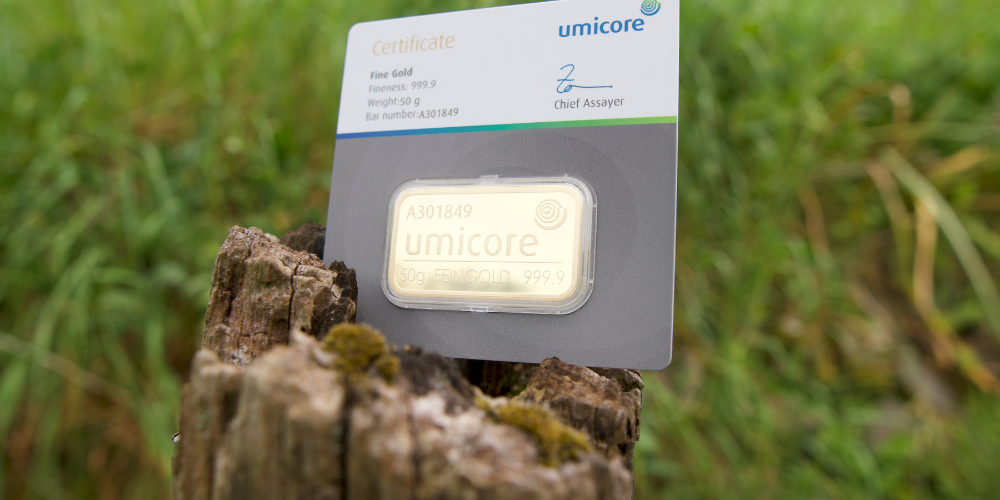
- Purity: Different products contain different proportions of pure gold. For example, investment-grade gold bars are commonly produced in 999.9 fine gold, while Gold Sovereigns are traditionally struck in 22-carat gold.
- Current Market Price: Gold prices change throughout the trading day, meaning the market value of your holdings can also change.
- Product Type and Condition: The type of item you’re selling, its specifications and its condition can all influence the price offered.
- Dealer Buying Price: The price a bullion dealer offers may differ from the quoted spot price, reflecting the costs and market conditions involved in purchasing and reselling precious metals.
Understanding these factors can help explain why different gold products may receive different valuations.
What Types of Gold and Precious Metals Can You Sell?
At Bleyer, we buy a wide range of precious metal items, including both investment bullion and unwanted or inherited pieces.
Gold Bars and Bullion Coins
We buy physical gold bullion, including gold bars and coins.
Recognised bullion products have established specifications for weight and purity, which can make them more straightforward to identify and value.
Gold and Silver Jewellery
We also buy unwanted, old, broken and inherited gold and silver jewellery.
This includes rings, necklaces, bracelets, earrings, chains, bangles, brooches and pendants.
Even damaged jewellery may still have value because of its precious metal content.
Please note that we do not purchase gemstones, so any stones will need to be removed before selling.
Scrap Precious Metals
Not all precious metals need to be in perfect condition to have value.
We also buy scrap precious metals, including unwanted or broken items that contain recoverable gold, silver, platinum or palladium.
Silverware and Other Precious Metal Items
Alongside bullion and jewellery, we buy silverware such as spoons, forks, knives, trays, dishes, bowls and tea and coffee sets.
Whether you’re selling one item or a larger collection, our team can help you understand what you have.
Read '5 Reasons to Sell Your Bullion to a Trusted Dealer'
How Should You Package Gold Before Selling It?
If you’re sending valuable items through the post, careful packaging is essential. Poorly packaged items can become damaged during transit, which may affect their condition and potentially reduce the price you receive.
Our Despatch team recommends taking a few simple precautions:
- Use Strong Packaging: Choose a sturdy box, ideally double-walled, and use suitable protective materials such as bubble wrap or foam.
- Wrap Items Individually: If you’re sending several coins, bars or other precious metal items, wrap them separately to prevent them from knocking against each other.
- Prevent Movement: Fill any empty spaces within the box so the contents remain secure during transit.
- Document Your Items: Take photographs and keep a record of what you’re sending, including the quantity, condition and relevant details.
- Choose an Appropriate Delivery Service: Use a reputable carrier that permits precious metals, provides suitable insurance and offers tracking and signature confirmation.
- Package Discreetly: There’s no need to advertise the valuable contents of your parcel.
Taking these precautions can help reduce the risk of damage or loss and ensure your items arrive in the condition expected.
Do You Have to Sell All Your Gold at Once?
Not necessarily.
If you own several individual gold bars or coins, you may choose to sell part of your holdings while keeping the remainder. For example, someone holding several Gold Sovereigns could choose to sell a smaller number rather than their entire collection.
This flexibility is one reason some investors prefer holding a selection of smaller bullion products rather than concentrating everything into one larger bar. However, smaller products can carry different buying premiums and resale spreads, so it’s worth considering both the initial purchase cost and potential resale arrangements.
Ultimately, the right combination of gold products will depend on your individual circumstances and long-term objectives.
Will You Make a Profit When Selling Physical Gold?
Not necessarily.
The amount you receive when selling physical gold depends on the market price at the time, the type of gold you own and the price offered by the buyer. If the gold price has risen since your original purchase, your holdings may have increased in value.
However, this doesn’t automatically mean you’ll make a profit once the difference between buying and selling prices, along with any relevant costs, has been considered. Equally, if the gold price has fallen, you could receive less than you originally paid.
For this reason, physical gold is generally better considered within a long-term approach to wealth preservation and diversification, rather than as a guaranteed way to generate a return.
Do You Pay Capital Gains Tax When Selling Gold?
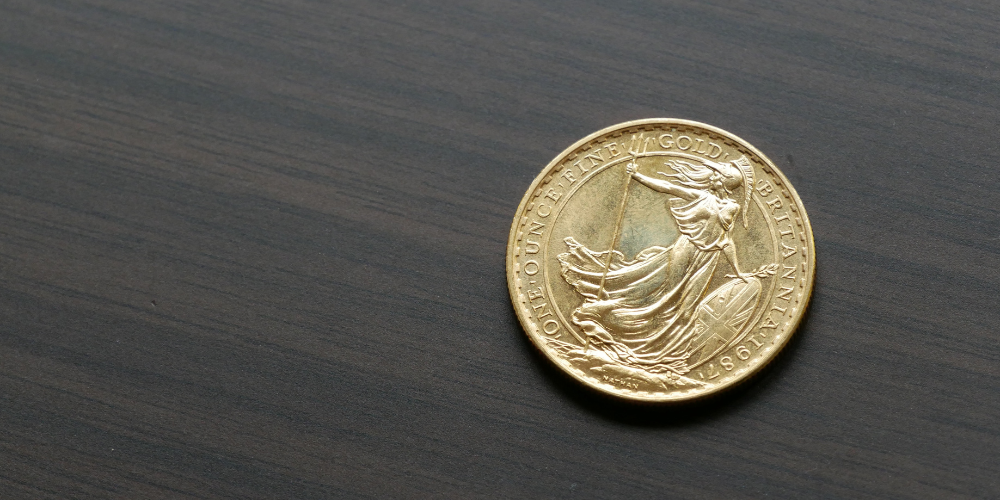
Tax treatment is another important consideration when selling physical gold in the UK. Certain UK legal tender bullion coins, including Gold Britannias and Gold Sovereigns, are exempt from UK Capital Gains Tax. This can make them particularly attractive to UK investors who are considering how they might eventually sell their physical gold holdings.
However, not all forms of physical gold receive the same treatment. For example, gains made when selling gold bars may be subject to Capital Gains Tax, depending on your individual circumstances and applicable allowances. It’s worth understanding the potential tax implications before selling, particularly if you’re disposing of a significant amount of gold.
If you’re unsure how the rules apply to you, consider seeking advice from a qualified tax professional.
When Is the Best Time to Sell Physical Gold?
Just as people often ask when the best time to buy gold is, deciding when to sell gold can raise similar questions. Gold prices change constantly, and nobody can predict with certainty whether they will be higher or lower tomorrow.
For some investors, selling may be part of a planned financial decision, such as accessing funds for a particular purpose or adjusting the balance of their wider investments. Others may simply decide that their circumstances or objectives have changed.
Rather than trying to identify the absolute highest possible gold price, it can be more useful to consider whether selling makes sense for your current needs.
The important thing is to make an informed decision based on your circumstances, rather than feeling pressured by short-term movements in the gold market.
Read 'When Is The Best Time to Buy Gold?'
Selling Physical Gold With Bleyer
At Bleyer, we understand that selling physical gold can feel unfamiliar, particularly if it’s something you haven’t done before. Whether you’ve been holding gold for many years, have inherited precious metals or are simply exploring your options, our team is here to help. We buy a wide range of gold, silver, platinum and palladium, including bullion bars, coins, jewellery, silverware and scrap precious metals.
From your initial enquiry and indicative valuation through to secure delivery, verification and payment, our aim is to make the process as clear and straightforward as possible. You don’t need to know exactly what your items are worth before contacting us. Our experienced team can assess your precious metals and explain the next steps.
Here To Help
Understanding how to sell physical gold is an important part of owning precious metals.
From knowing how your gold is valued to understanding the resale process, secure delivery and potential tax considerations, having the right information can help you make more confident decisions about your holdings.
Whether you’re considering selling gold bars, bullion coins, unwanted jewellery or other precious metals, our friendly team would be delighted to answer any questions you may have.
If you’d like to speak to a member of our award-winning customer service team, call us on 01769 618618 or email [email protected], and we’ll get back to you as soon as possible.