

Gold vs Cash in a Crisis
When financial uncertainty hits – whether it’s inflation, bank instability, or global crises – the big question arises: Should you hold cash or invest in gold?
While cash is convenient for daily transactions, history has shown that its value erodes over time. Gold, however, has maintained its purchasing power for centuries. So when markets turn volatile, which asset truly protects your wealth?
Let’s break it down.
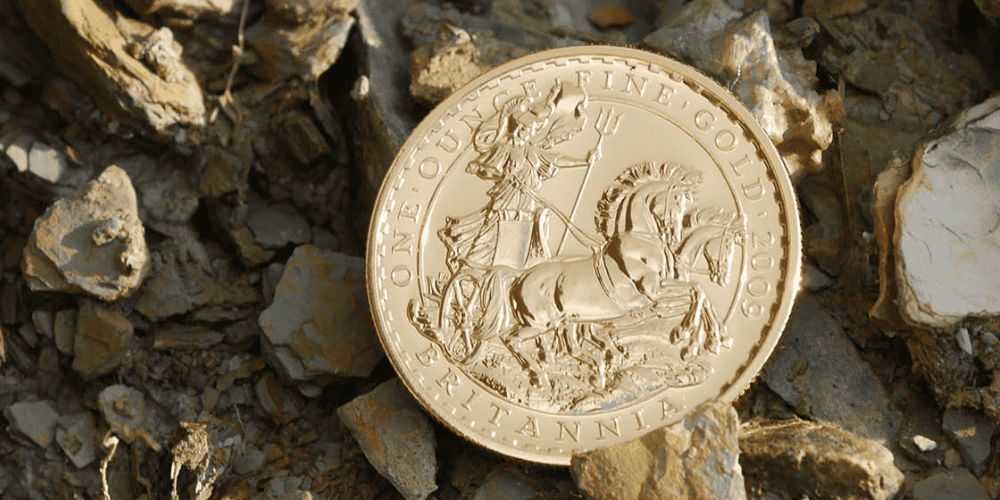
Inflation: The Silent Killer of Cash
Inflation is one of the biggest threats to cash savings. When prices rise, the buying power of cash shrinks, meaning what you could buy for £100 last year costs significantly more today.
To put it in perspective:
- £100 in 2000 had the same buying power as £190 today.
- The value of £1 has dropped by over 90% since 1970.
Gold, on the other hand, has held its value for centuries. In the 1970s, an ounce of gold cost around £20. Today, that same ounce is worth over £1,500. It’s not just a hedge against inflation – it’s a long-term store of wealth.
Read 'How Precious Metals Hedge Against Inflation and Economic Uncertainty'
Banking Crises & Currency Devaluation
Banks and financial systems aren’t as stable as they seem. Holding cash in a bank may feel safe, but what happens when the system is under pressure?
- 2008 Financial Crash: Banks failed, governments printed money, and savers saw their wealth diminish. Gold prices surged by 300% in the years that followed.
- 2023 Banking Instability: Multiple banks collapsed, interest rates spiked, and uncertainty spread. Once again, investors rushed to gold as a safe-haven asset.
Unlike cash, which can be devalued by government policies, gold isn’t controlled by any central authority. This is why central banks themselves continue hoarding gold – because they know it’s real money.
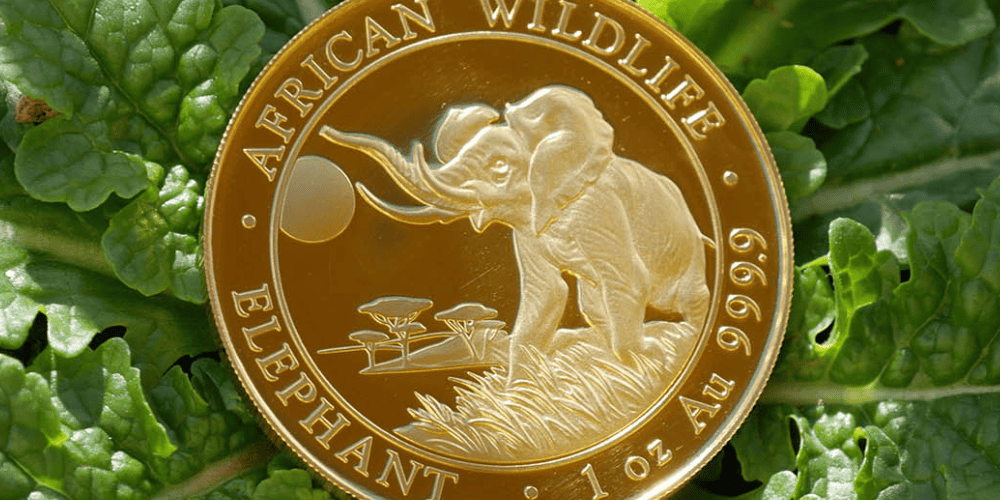
Liquidity & Accessibility: Cash vs. Gold
Cash is liquid, but it comes with limitations:
- Banks can freeze accounts or limit withdrawals in crises.
- Inflation reduces cash’s real value over time.
- Governments can impose restrictions on cash movement.
Gold, however, is private, globally recognised, and easy to trade. It doesn’t rely on a banking system and gives you full control over your wealth. In uncertain times, that kind of financial independence is priceless.
Read 'Gold vs. Banks: Financial Privacy with Gold Matters More Than Ever'
Gold: The Crisis-Proof Asset
Historically, when markets crash, gold rises.
- In 2020, during the pandemic-driven economic turmoil, gold rose 24%.
- After the 2008 crash, gold hit record highs as investors sought stability.
- Every major financial crisis in the last century has seen gold retain or increase in value.
When uncertainty takes hold, investors move to tangible assets like gold. Unlike cash, which depends on government stability, gold’s value is universal and lasting.
Read 'Gold: A Timeless Symbol of Prosperity and Wealth'
Final Thoughts: Should You Hold Gold or Cash?
Cash is essential for short-term expenses, but inflation, devaluation, and banking risk make it a poor long-term store of value.
Gold is a time-tested hedge, holding value across generations and providing security in uncertain times.
The best approach? Balance both. Keep cash for immediate needs, but allocate part of your savings into physical gold – a safeguard against uncertainty.
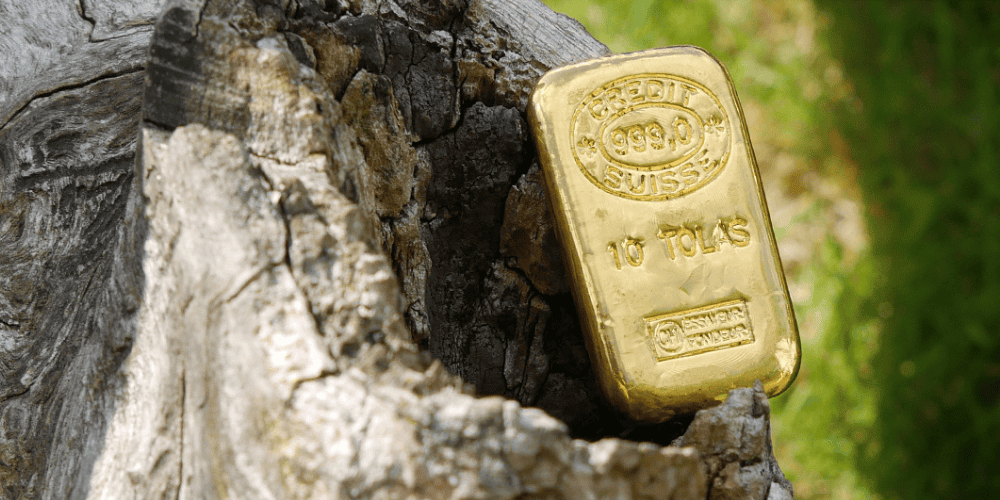
Here To Help
Bleyer offers expert consultancy and welcomes appointments with customers looking for a personal service either face to face, by phone or online. Give our expert team a call on 01769 618618 or email [email protected].