

Many of the biggest gold and silver investment myths come from outdated assumptions or incomplete information. Understanding the reality behind bullion investing can help remove unnecessary hesitation.
Precious metals have been trusted stores of value for centuries, yet many people still hesitate to get started. Some assume bullion is only for the wealthy. Others worry about timing the market, storing it safely, or being unable to sell it later.
In reality, most of these concerns come from misunderstandings rather than facts.
If you’ve ever been curious about owning gold or silver but felt unsure where to begin, this guide clears up the most common myths and explains what buying bullion really looks like today.
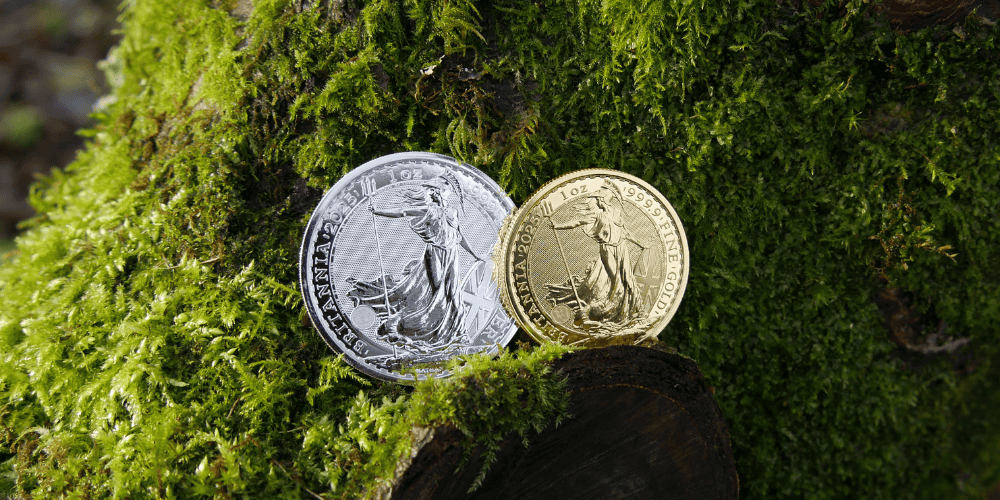
Myth 1: Gold and Silver Are Only for the Wealthy
One of the most common misconceptions is that bullion investing requires large sums of money.
In truth, many people begin with just a single coin or a small silver purchase. Gold sovereigns, fractional coins, and silver bullion products allow buyers to start gradually and build their holdings over time.
Precious metals ownership isn’t reserved for wealthy investors. It’s simply another way to store value, and it can begin with surprisingly modest amounts.
Many experienced bullion buyers didn’t start with large purchases. They started small, learned the market, and expanded gradually.
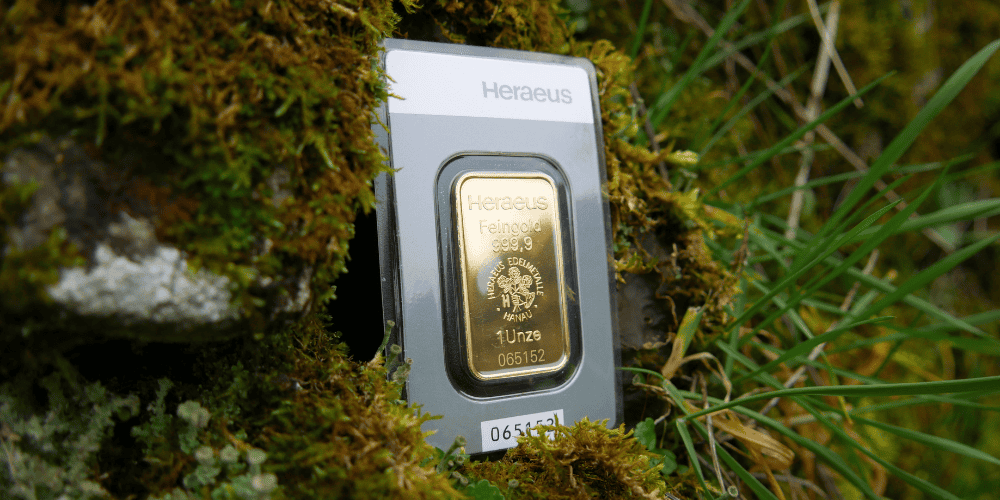
Myth 2: Investing in Gold Is Too Risky
Another common belief is that gold and silver are highly speculative.
In reality, precious metals serve a very different role compared with stocks or cryptocurrencies. Rather than being growth-focused investments, bullion is primarily valued for wealth preservation.
Gold in particular has historically been used as a store of value during periods of inflation, economic uncertainty, or currency volatility. Silver shares many of these characteristics while also benefiting from industrial demand.
Like any asset, prices fluctuate. But bullion’s purpose is not rapid profit, it is stability and diversification.
Read 'Protecting Your Wealth in an Increasingly Digital World'
Myth 3: You Have to Time the Market Perfectly
Many first-time buyers worry about buying gold or silver at the wrong time.
This fear often leads to hesitation or endless research without ever taking action. In reality, most bullion investors do not attempt to predict short-term price movements.
Instead, they buy gradually over time. This approach, sometimes called stacking, spreads purchases across different price points and removes the pressure of trying to predict market movements.
For long-term holders, the focus is less on perfect timing and more on building a balanced portfolio.
Myth 4: Selling Gold or Silver Is Difficult
Some people assume that once bullion is purchased, it becomes difficult to convert back into cash.
In practice, precious metals are among the most liquid physical assets in the world. Gold and silver are globally recognised and widely traded.
Reputable bullion dealers typically offer buy-back services, and the market for widely recognised coins and bars is well established.
This liquidity means that bullion can often be sold quickly when needed, giving investors flexibility rather than locking their wealth away.
Read '5 Reasons to Sell Your Bullion to a Trusted Dealer'
Myth 5: Storing Gold Bullion Is Complicated
Storage is another area where misconceptions often arise.
Many new buyers assume they need expensive vaulting services or complex security arrangements. While professional vault storage is available, it is only one option.
Some people choose to store smaller holdings securely at home. Others prefer insured vault storage for larger amounts.
The best approach depends on personal preference, investment size, and comfort level. The key point is that bullion storage can be as simple or as structured as the investor prefers.
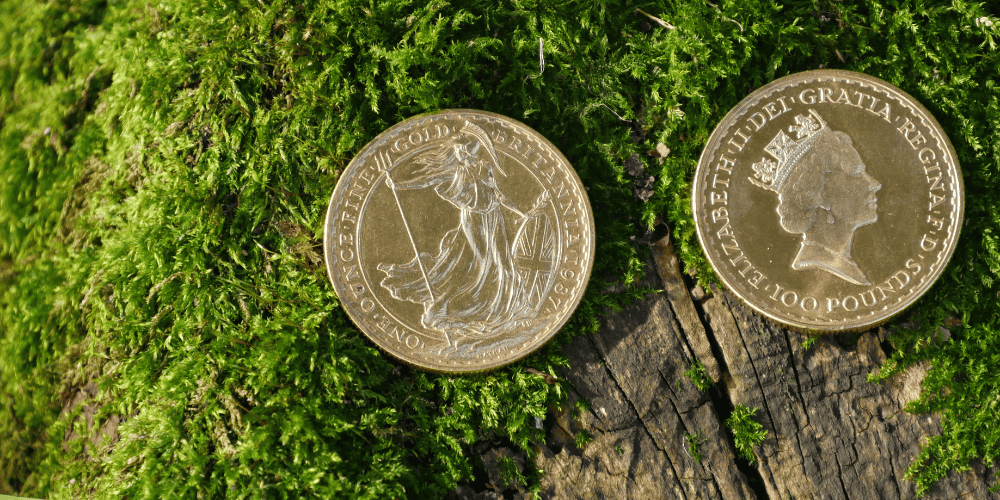
Myth 6: Gold and Silver Are Outdated Investments
In a world of digital finance, cryptocurrencies, and online trading platforms, precious metals can sometimes be seen as outdated.
However, gold and silver remain widely used in modern financial systems. Central banks hold large gold reserves, and many institutional portfolios still include precious metals as a hedge against economic uncertainty.
Silver also plays an important role in modern industry, particularly in electronics, solar energy, and technology manufacturing.
Far from being outdated, precious metals continue to serve both traditional and modern economic roles.
Read 'Gold: A Timeless Symbol of Prosperity and Wealth'
Myth 7: Bullion Dealers Can’t Be Trusted
For first-time buyers, trust is often the biggest barrier.
Concerns about scams, hidden fees, or unreliable sellers can prevent people from ever making their first purchase. These fears are understandable, particularly for those unfamiliar with the market.
The key is choosing reputable dealers with transparent pricing, clear communication, and a long-standing reputation.
Reliable bullion providers will explain the buying process, answer questions clearly, and prioritise customer support over pressure selling. When trust is established, the process of buying precious metals becomes straightforward.
Read 'How to Trust an Online Bullion Dealer'
Why Many People Wait Too Long to Start Investing in Gold
Even after learning about precious metals, many people postpone their first purchase.
This often happens because of analysis paralysis, researching endlessly without feeling ready to act. Conflicting opinions online can make the decision feel more complicated than it really is.
Others simply assume bullion can wait until a later stage of life.
In reality, most bullion buyers eventually realise that the first step is usually the hardest. Once someone understands how the process works, buying precious metals becomes far less intimidating.
Bullion Is Simpler Than Most People Think
Gold and silver ownership doesn’t require deep financial expertise or large capital.
Many people start with a single coin. Others gradually add to their holdings over time as part of a diversified financial strategy.
The goal isn’t to chase quick returns. Instead, bullion is often used to balance a portfolio, offering tangible value that exists outside the digital financial system.
For those considering their first purchase, the most important step is simply understanding how the market works and choosing a trusted provider.
Once those foundations are in place, buying bullion tends to feel far more straightforward than the myths suggest.
Here to Help
If you’re considering buying gold or silver and would like to speak with someone first, our team is always happy to help. Whether you’re making your first purchase or adding to an existing portfolio, we can talk through your options and answer any questions you may have.
Call our team on 01769 618618 or email [email protected] for friendly, straightforward guidance.